Compare Local Contractors for Drain Line Replacement Services
Compare local contractors to define project scope, verify experience, and set clear expectations in writing for effective drain line replacement.
Drain line replacement is a specialized service that involves removing and installing new underground pipes responsible for carrying wastewater from a property to the main sewer system. This work typically covers assessing the existing drainage system, excavating to access the damaged or outdated pipes, removing the old line, and installing a new, properly functioning drain line. Proper installation ensures the system operates efficiently and helps prevent future issues such as leaks, blockages, or backups that can lead to property damage or health concerns.
Clearly defining the scope of drain line replacement is essential to ensure the work meets the property owner’s needs and expectations. A detailed scope should specify the extent of excavation, the type of piping used, and any additional services such as trench restoration or inspection. Having these details in writing helps prevent misunderstandings, ensures that all necessary work is included, and provides a reference point for project completion. This clarity also allows property owners to evaluate whether a contractor’s proposal aligns with their specific requirements and avoid surprises later in the process.
When comparing local contractors for drain line replacement, property owners should consider several practical factors. Verifying a contractor’s experience with similar projects can provide insight into their capability to handle the scope effectively. It’s also helpful to review references or past work, ensuring that the service provider has a track record of quality results. Additionally, obtaining written estimates that outline the scope, materials, and work involved allows for straightforward comparison. By focusing on these aspects, property owners can identify service providers who are well-suited to their project needs and ensure a smooth, transparent process.
Compare local contractors by outlining project priorities, verifying experience, and establishing clear scope and expectations.
- Compare Contractor Credentials - Verify the experience and reputation of local contractors to ensure quality work.
- Define Scope Clearly - Establish detailed project expectations and work scope before starting the job.
- Request Written Estimates - Obtain detailed, written descriptions of work to avoid misunderstandings.
- Assess Communication and Transparency - Choose service providers who clearly explain procedures and answer questions openly.
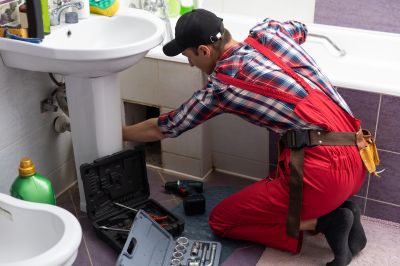
Clearly describe your drain line replacement project to effectively compare local contractors, verify experience, and set written expectations.
- Verify the contractor’s experience with drain line replacement projects similar in scope and complexity. - Ensure the service provider clearly defines the scope of work and what is included in the replacement.
- Compare multiple local contractors to assess their approaches and the methods they plan to use for the replacement. - Confirm that the contractor provides detailed written estimates outlining materials, procedures, and responsibilities.
- Check references or reviews to evaluate the quality of past drain line replacement work performed by the contractor. - Confirm that the contractor discusses potential challenges and how they plan to address them during the project.
- Discuss the project timeline and expectations in writing to avoid misunderstandings about the scope and process. - Ensure the contractor’s proposal includes a clear description of the work process and any necessary preparations.
- Determine the contractor’s approach to handling existing plumbing and potential complications during the drain line replacement. - Make sure the service provider plans to inspect and assess the existing system thoroughly before beginning work.
Compare local contractors' experience and clarify scope to ensure expectations are set clearly in writing.
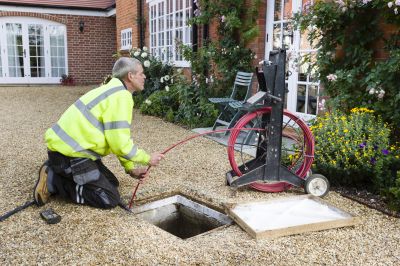
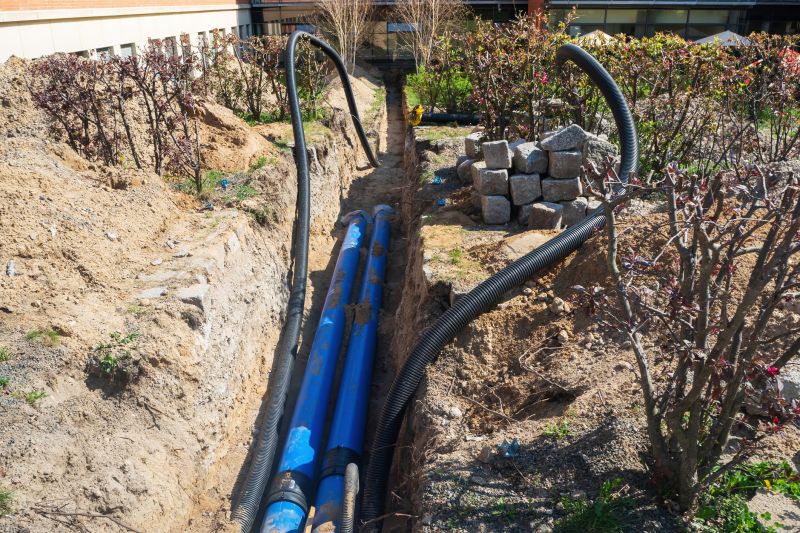
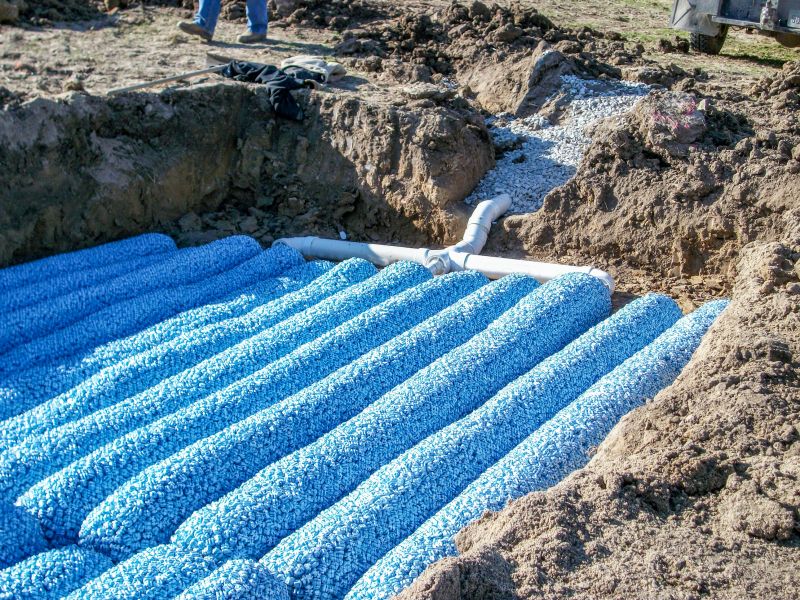

This section helps you compare local contractors, define project scope, verify experience, and set clear expectations in writing.
- Scope Definition - Clearly specify the extent of drain line replacement, including the length and location of pipes to be replaced.
- Material Selection - Identify the types of materials to be used for the new drain lines to ensure compatibility and durability.
- Access Points - Determine the necessary access points or openings required for removal and installation of the drain lines.
- Work Area Preparation - Outline the preparation needed for the work area to facilitate safe and efficient replacement procedures.
- Warranty and Guarantees - Establish expectations regarding warranties or guarantees provided by the service providers for the drain line replacement.
When comparing contractors for drain line replacement, it is important to evaluate their experience with similar projects. Homeowners should inquire about the types of drain line replacements the service providers have completed and whether they have worked on properties comparable in size and complexity. Contractors with a proven track record in handling projects like yours are more likely to understand potential challenges and deliver results that meet expectations. Gathering information about their past work can help establish confidence in their ability to manage the scope of your specific drain line needs.
A clear, written scope of work is essential for ensuring that expectations are aligned before any work begins. Homeowners should seek service providers who can provide detailed descriptions of the work to be performed, including the materials to be used, the extent of the replacement, and any necessary preparations or follow-up steps. Having this information in writing helps prevent misunderstandings and provides a reference point for evaluating the progress and completion of the project. Contractors who can articulate a comprehensive scope demonstrate professionalism and a commitment to transparency.
Verification basics are key when assessing potential service providers. While licensing and certification are not the focus here, homeowners should verify that contractors have the necessary experience and a history of completing drain line replacements successfully. Asking for references or examples of previous work can provide insights into the quality of their work and their ability to adhere to project specifications. It is also helpful to confirm that the contractor understands local codes and regulations that may impact the project, even if formal licensing is not a requirement.
When evaluating options, homeowners should consider how each contractor communicates about the scope of work and their approach to the project. Look for service providers who are willing to discuss the details, answer questions thoroughly, and provide written documentation of the agreed-upon scope. Comparing how each contractor presents their plan can reveal their professionalism and attention to detail. By focusing on experience, clarity of scope, and verification practices, homeowners can make informed decisions and select a contractor capable of delivering a successful drain line replacement.
Ask contractors to provide written scope details to ensure clear expectations and consistent project understanding.
- Experience and Qualifications - What experience do local contractors have with drain line replacement projects?
- Scope of Work - How do contractors define and document the specific scope of the drain line replacement?
- Materials and Methods - What materials and techniques do service providers plan to use for the replacement?
- Warranty and Guarantees - Do local contractors offer warranties or guarantees for their drain line replacement services?
- Comparison of Services - How do contractors differentiate their services and approaches to ensure clarity in scope and expectations?
How can I compare drain line replacement contractors? To compare local contractors, review their experience, verify references, and examine their scope of work to ensure it aligns with project needs.
What should I consider when defining the scope of drain line replacement? Clearly outline the specific work required, including pipe material, length, and any additional repairs, to ensure all parties understand the project details.
How can I verify a contractor’s experience with drain line replacements? Ask for details about their previous projects, request references, and confirm their familiarity with the type of drain system involved.
Why is it important to get written agreements with contractors? Written agreements help set clear expectations, define the scope of work, and provide a record of commitments for the project.
What questions should I ask a contractor before hiring for drain line replacement? Inquire about their experience, approach to scope definition, process for handling unexpected issues, and how they communicate project details.
How can I ensure a contractor understands my project needs? Provide detailed descriptions of the existing drain system, desired outcomes, and any concerns, and confirm that these are documented in the agreement.
This page has provided an overview of key considerations when selecting contractors for drain line replacement. Visitors learned the importance of clearly defining the scope of work, verifying the experience of service providers, and ensuring expectations are outlined in writing. Comparing multiple local contractors can help identify options that best align with specific project needs and preferences.
To move forward, use the quote form to connect with local service providers who can handle drain line replacement. This tool makes it easy to compare different options and find the right contractor for the job. Taking the time to evaluate your choices can help ensure your project is managed smoothly and efficiently.